Know what goes into your offer.
What Is My Car Worth in Vancouver?
Your car’s value starts with the vehicle itself: its year, make, model, kilometres and condition. A running used car may be assessed differently from a vehicle with serious mechanical problems or one at the end of its usable life. There is no single cash figure that describes every vehicle in Vancouver.
Call Cash For Used Cars Of Vancouver on 236 239 1470 with the details to discuss an offer. We consider running and non running vehicles, offer free pickup by arrangement and welcome enquiries about several vehicles.
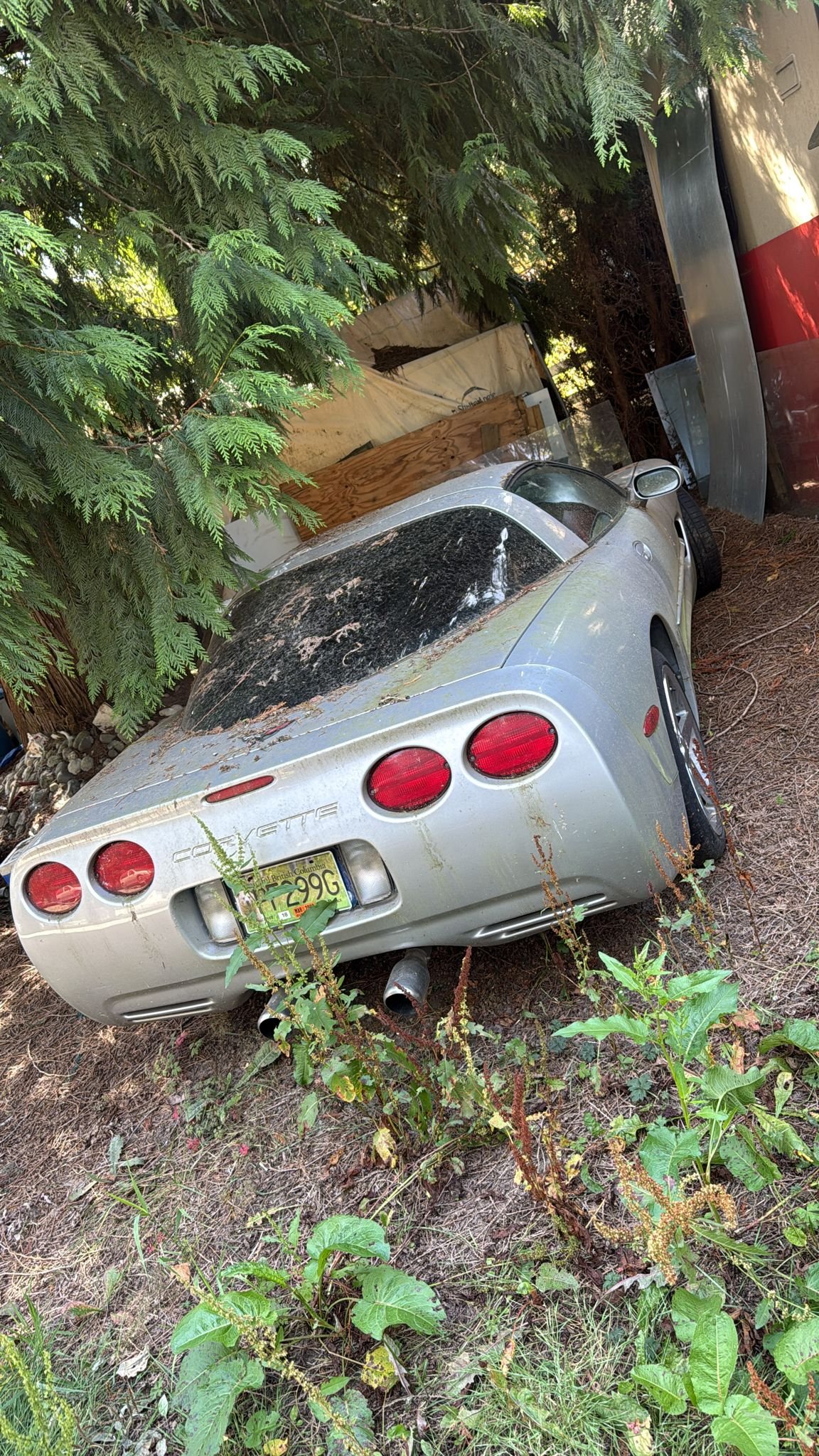
Tell us what you have
Request a vehicle offer
One vehicle or several. Start with the details and a number where we can reach you.
Prefer to talk? Call 236 239 1470. Read the enquiry privacy notice or contact us.
A useful estimate needs a clear description
The more accurately you explain the vehicle, the more useful the offer conversation can be. Start with the year, make and exact model. If you know the trim, engine or specification, include it. Add the approximate kilometres and explain whether the car starts and can be driven.
Describe known mechanical problems, accident damage and missing components. Do not turn uncertainty into a diagnosis: if the vehicle will not start and you do not know why, say that. The purpose of the description is to explain what is being assessed, not to make the vehicle sound better or worse than it is.
Running used car value and end of life assessment
A running vehicle can have useful life remaining, and the discussion may consider its condition, specification and potential further use. A vehicle that does not run requires a different conversation about the fault, completeness and whether repair or reuse is practical. An older vehicle is not automatically an end of life vehicle simply because of its age.
When a vehicle is genuinely being considered for scrap, factors can include its completeness, material content and current market conditions. That does not mean every non running vehicle is assessed only by weight. Explain the actual vehicle before assuming which category applies, and ask how the offer was reached.
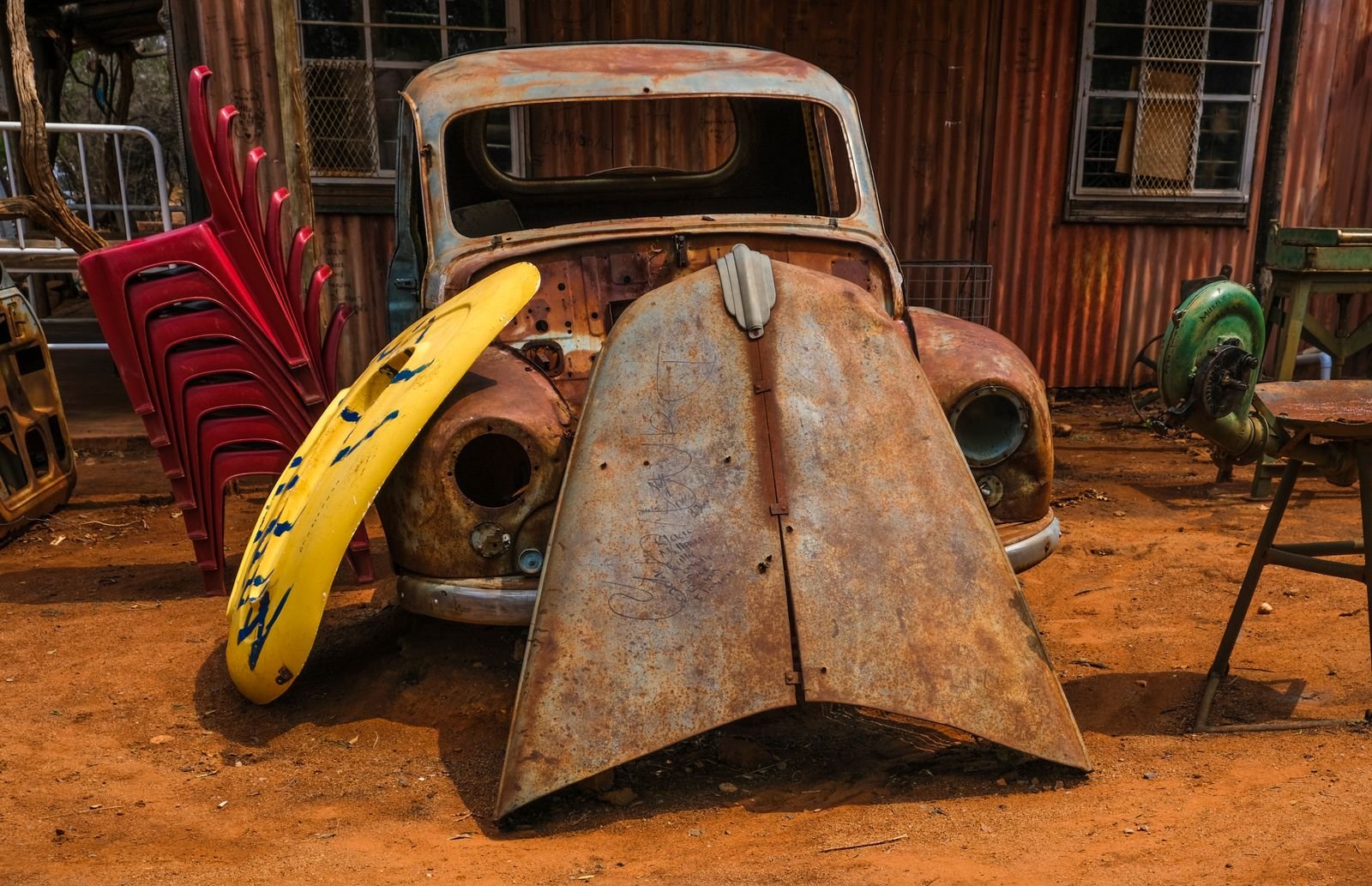
The details that can change an assessment
Year, make, model and specification
Two vehicles that look similar can have different specifications. Provide the actual details rather than using a nearby model or year as a substitute. An accurate description makes it easier to compare relevant examples and understand why another advertised vehicle may not be a good reference point.
Kilometres and service information
Use the approximate odometer reading and explain if it cannot be checked. Service records or recent work can help describe condition, especially for a running vehicle. They are context for an assessment rather than a promise that every dollar spent on maintenance will be added to the selling price.
Mechanical condition
Explain what runs, what does not and what has been diagnosed. A warning light, a vehicle that starts only intermittently and one that cannot be driven safely are different situations. If you have a written repair estimate, you can use it to explain the issue without assuming a buyer will agree with every repair recommendation.
Damage and completeness
Mention visible damage, missing wheels, removed parts and any component changes you know about. A photograph may not show a missing item or a problem on the other side of the car. Describe those details directly so the enquiry is based on the vehicle as it is now.
Asking prices and buying offers are different information
An online listing shows what someone is asking. It does not confirm that the vehicle sold at that amount, how long a sale took or what work was done before it was offered. A useful comparison needs similar age, specification, kilometres, condition and location.
A private advertisement, dealer retail listing and direct buyer offer can also involve different preparation, responsibilities and time. Compare the whole arrangement. Ask what an offer includes, what remains to be checked and how the collection will happen instead of treating every figure on a screen as the same type of valuation.
A hypothetical comparison without invented prices
Consider two vehicles of the same make and model. One runs, has a usable interior and has records explaining recent maintenance. The other has not started for a long time, has an unresolved mechanical problem and is missing parts. They should not be assumed to receive the same assessment just because the badge and year match.
| Hypothetical situation | Information to clarify |
|---|---|
| Running vehicle with service records | Kilometres, known faults, specification and overall condition |
| Non running vehicle with unknown fault | Symptoms, previous diagnosis, completeness and ability to move |
| Vehicle with parts removed | Which components are missing and when the condition changed |
| Several mixed condition vehicles | Separate description for each vehicle and a clear inventory |
This comparison illustrates questions to ask. It is not a record of a real transaction, an appraisal or a promise of a payout difference.
Pickup details should be discussed with the offer
We offer free pickup. Describe the Vancouver location and whether the vehicle is in a driveway, shared parking area or parkade. Mention gates, blocked access, missing keys and wheels that do not roll. Those facts help establish collection arrangements before an appointment is agreed.
Do not change the vehicle location, remove components or arrange work solely on the assumption that it will improve an offer. Discuss the change first. Our selling preparation page explains what to have ready before deciding.
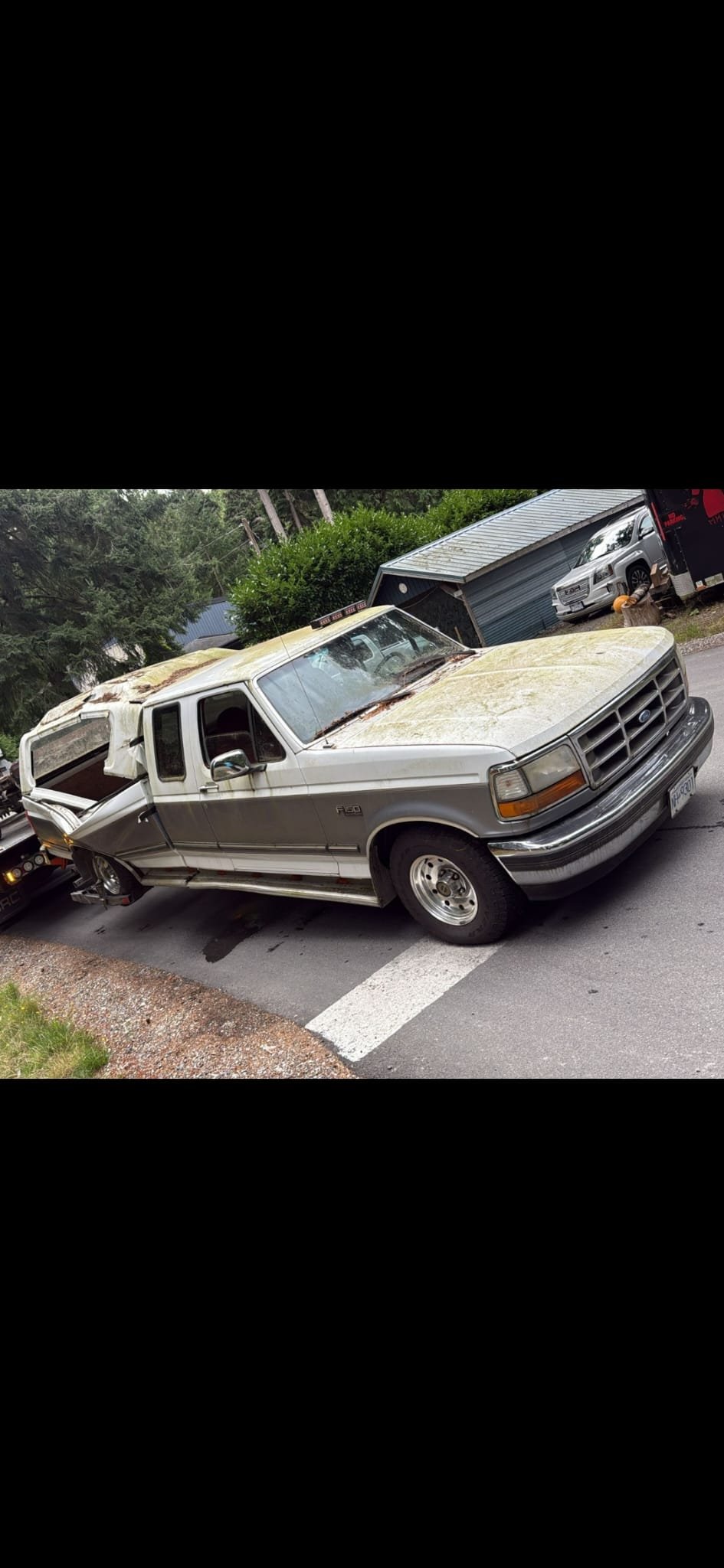
Know when an estimate becomes an agreement
Before accepting a number, ask whether it is an estimate or a final agreed amount. Clarify what information it relies on, whether the vehicle will be checked and how long the amount remains available. If the description changes, contact the buyer before the appointment.
Cash and Interac transfer are available with our business. Agree the method and timing directly as part of the transaction. A useful offer conversation should leave you clear about the amount, vehicle, collection arrangements and any unresolved conditions. Our process page sets out the points to discuss.
Prepare your information before calling
Make a short note of the vehicle details, approximate kilometres, running condition and pickup area. Add damage, missing parts and the availability of keys. If you are enquiring about several vehicles, keep each description separate and use our multiple vehicle enquiry guidance.
You can begin without professional photographs or a finished advertisement. If pictures are requested, use clear overall views and closer images of relevant condition issues. Avoid including personal documents or other people’s information. Read the BC selling guide before arranging the ownership steps.
Car value questions
Can you tell me what my car is worth from its make and model alone?
The make and model are useful starting points, but they do not describe mileage, condition, specification or missing parts. Give the year, approximate kilometres, running status and Vancouver pickup area as well. A fuller description helps explain the vehicle being discussed and reduces the chance that an initial conversation relies on an incorrect assumption.
Is every non running car only worth its scrap material?
No single description covers every non running vehicle. The cause of the problem, vehicle details, condition and completeness can matter. A car with a known repair issue and one stripped of major parts are different situations. Explain what is actually wrong and ask how the vehicle is being assessed rather than assuming a category from the running status alone.
Will recent repairs increase the offer by the amount I spent?
Not necessarily. Repair records help explain condition, but the cost of work is not automatically added to an offer dollar for dollar. Describe the work and provide accurate records if available. If you are considering another repair, compare the cost, likely benefit and time before deciding whether to spend more money before selling.
Why might an offer differ from an online asking price?
An asking price is one seller’s advertisement, not proof of a completed transaction. Check whether the comparison has similar kilometres, specification and condition. Also consider what preparation or responsibilities are included in the arrangement. Ask the buyer to explain the basis of the offer and compare relevant details rather than relying on a single listing.
Should I remove parts before asking for an offer?
Describe the vehicle in its current state and discuss any planned changes first. Removing components can change what is being assessed and may affect collection arrangements. If parts are already missing, identify them clearly. Do not assume an offer discussed for a complete vehicle applies unchanged after components have been removed or exchanged.
Can I ask about several vehicles with different conditions?
Yes. Prepare a separate description for each vehicle, including its condition and Vancouver location. Ask how individual offers or a combined amount will be explained. A group enquiry should still identify exactly what is included. Our multiple vehicle page explains the inventory and access information that helps start a larger enquiry clearly.
Is a payout range on another website a guarantee for my car?
No. A published range may use assumptions that do not match your vehicle, location or current circumstances. Ask for an assessment using your actual details and clarify whether it is an estimate or final amount. We do not publish an unsupported universal payout range because it would not explain the differences between individual vehicles.
Do I need to accept an offer during the first call?
Ask questions until you understand what is being offered and any conditions that still need to be resolved. Confirm the amount’s validity period rather than assuming it remains available indefinitely. You can compare your options using the vehicle’s condition, available time and the collection arrangements. Keep a record of what was discussed before making your decision.
Discuss your vehicle’s value
Call 236 239 1470 or request a vehicle offer. Contact hours are daily, 7 am to 11:30 pm, Vancouver time. Pickup is free and arranged with you. For the overall service, return to cash for cars in Vancouver.
Your next step starts here
One vehicle or several.
Let’s make a plan.
Free pickup by arrangement · Cash or Interac transfer